
Cave Fork Climbing Area: A Conversation with Route Developer Jarek Voyles
The
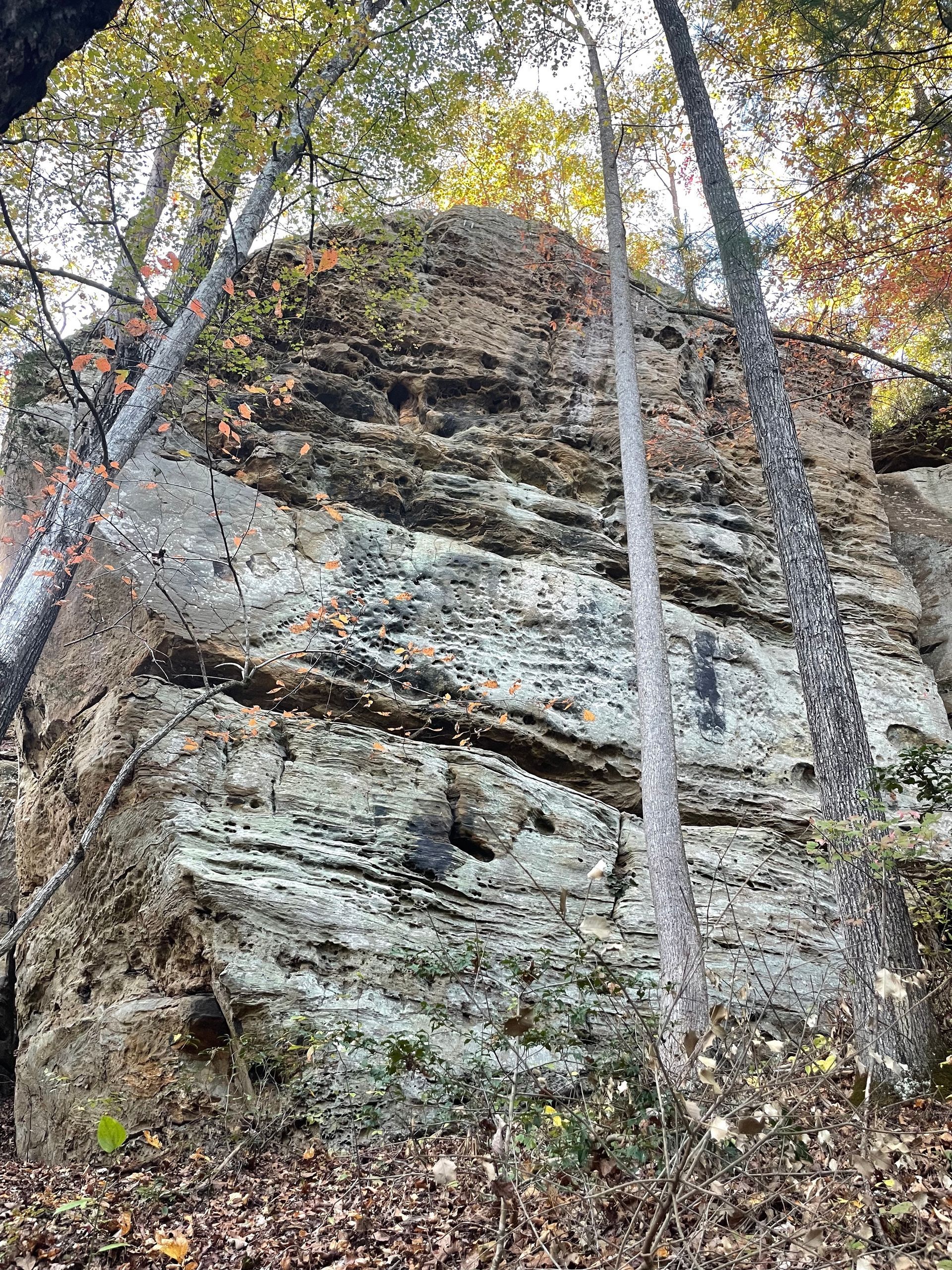
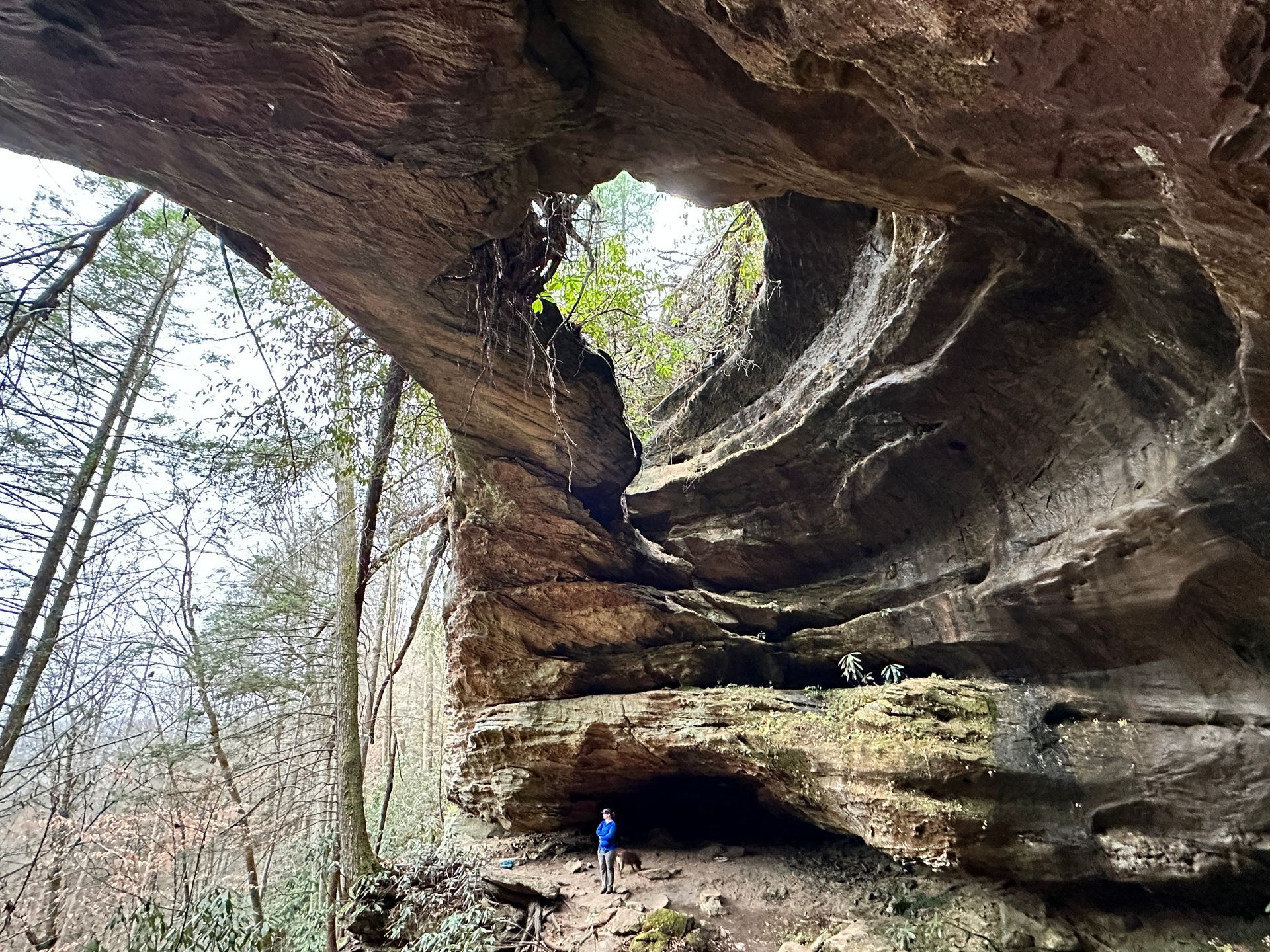
Cave Fork Recreational Preserve is one of the newest additions to the Red River Gorge’s growing network of climber-owned land. Recently protected by the Red River Gorge Climbers’ Coalition, the area features expansive cliffline, existing climbing zones, and significant room to grow—all guided by a conservation-first approach to access and development.
To get a better feel for what this means on the ground, we caught up with Jarek Voyles, local climbing guide and route developer, to talk about what makes Cave Fork special, how development is unfolding, and what climbers can expect as this new area continues to take shape.
Big Picture
For those who may not be familiar yet, what makes the Cave Fork area special within the Red River Gorge?
The Cave Fork Recreational Preserve—along with expansions to previously purchased properties—marks the largest climbing access acquisition in U.S. history. This newly acquired 718 acres nearly doubles the amount of climber-owned cliffline in the Red River Gorge and officially secures access to several already developed, world-class crags.
Even more exciting are the dozens upon dozens of newly developed crags that will continue to open in the coming months. These areas will boast hundreds of incredible new climbs, lovingly and painstakingly developed for thousands to enjoy.
What does the Cave Fork acquisition mean for the future of climbing and conservation in the Gorge?
This acquisition is the culmination of more than ten years of persistent hard work by many talented and passionate people. The Red River Gorge Climbers’ Coalition has once again proven itself to be at the forefront of recreational land protection and conservation.
Beyond protecting climbing access, the RRGCC is deeply committed to preserving fragile ecosystems and threatened wildlife in the areas where we climb. That work will undoubtedly continue, and I think we can expect to see even more acquisitions in the years to come.
Route Development
What has the route development process looked like so far at Cave Fork?
It’s been a wonderful, collaborative experience among many local—and not-so-local—developers. The community has been incredibly welcoming and supportive, with a mix of longtime RRG veterans and very stoked newcomers.
This purchase has created an amazing opportunity for the next generation of RRG developers to earn their wings. Several of these folks have already put up an impressive selection of high-quality routes, and I have no doubt they’ll carry the torch well into the future of Red River Gorge climbing.
What styles and grade ranges can climbers expect to find there?
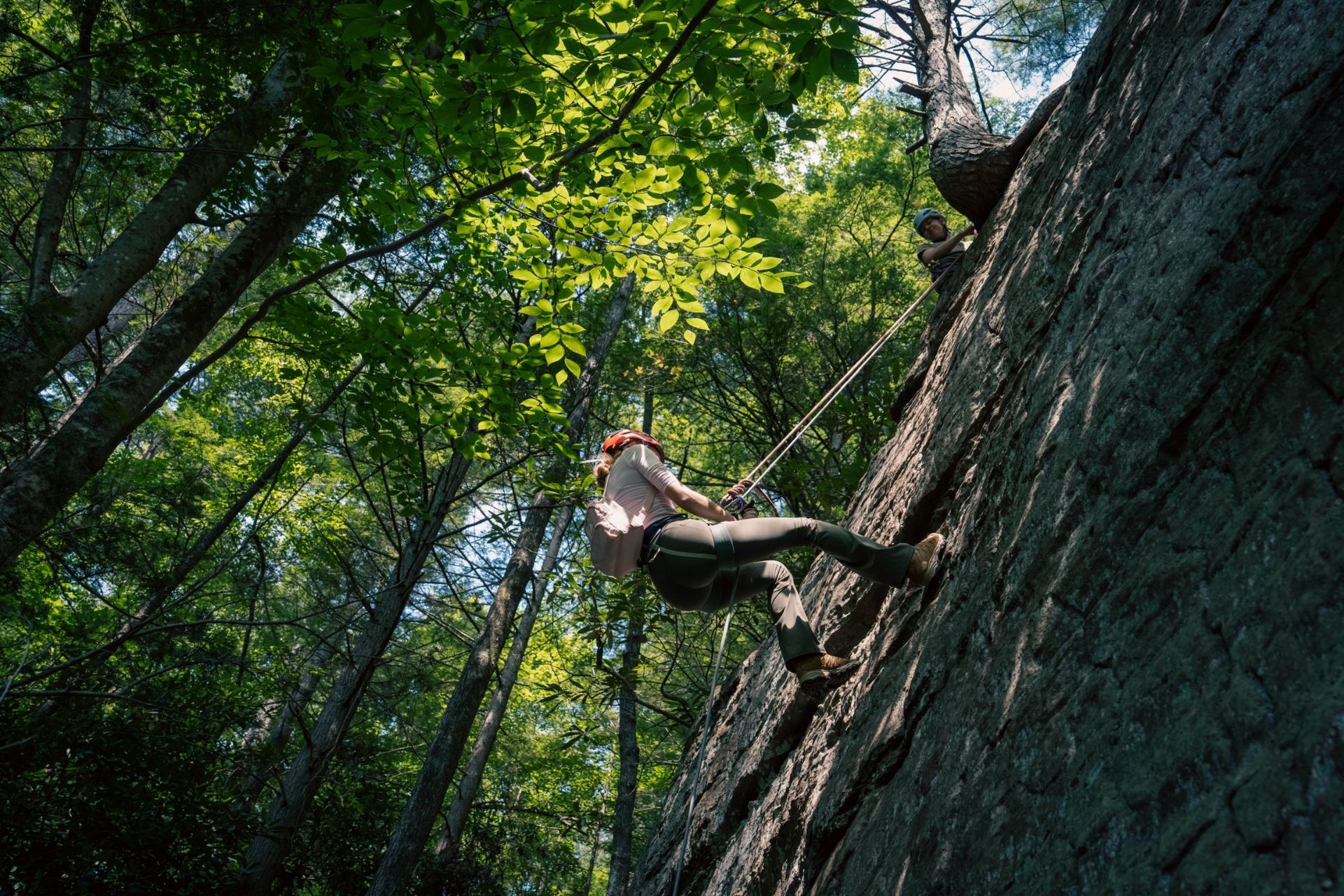
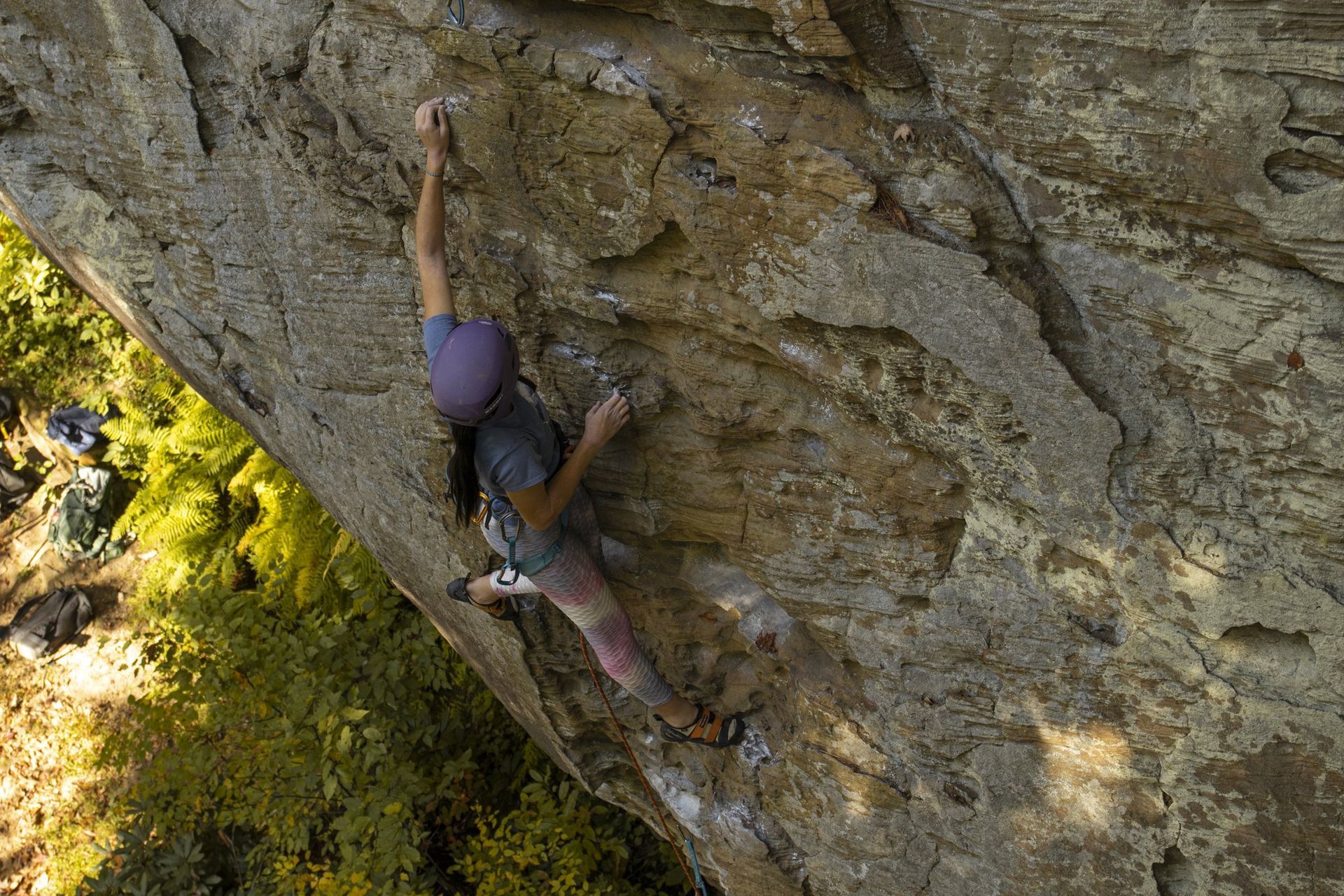
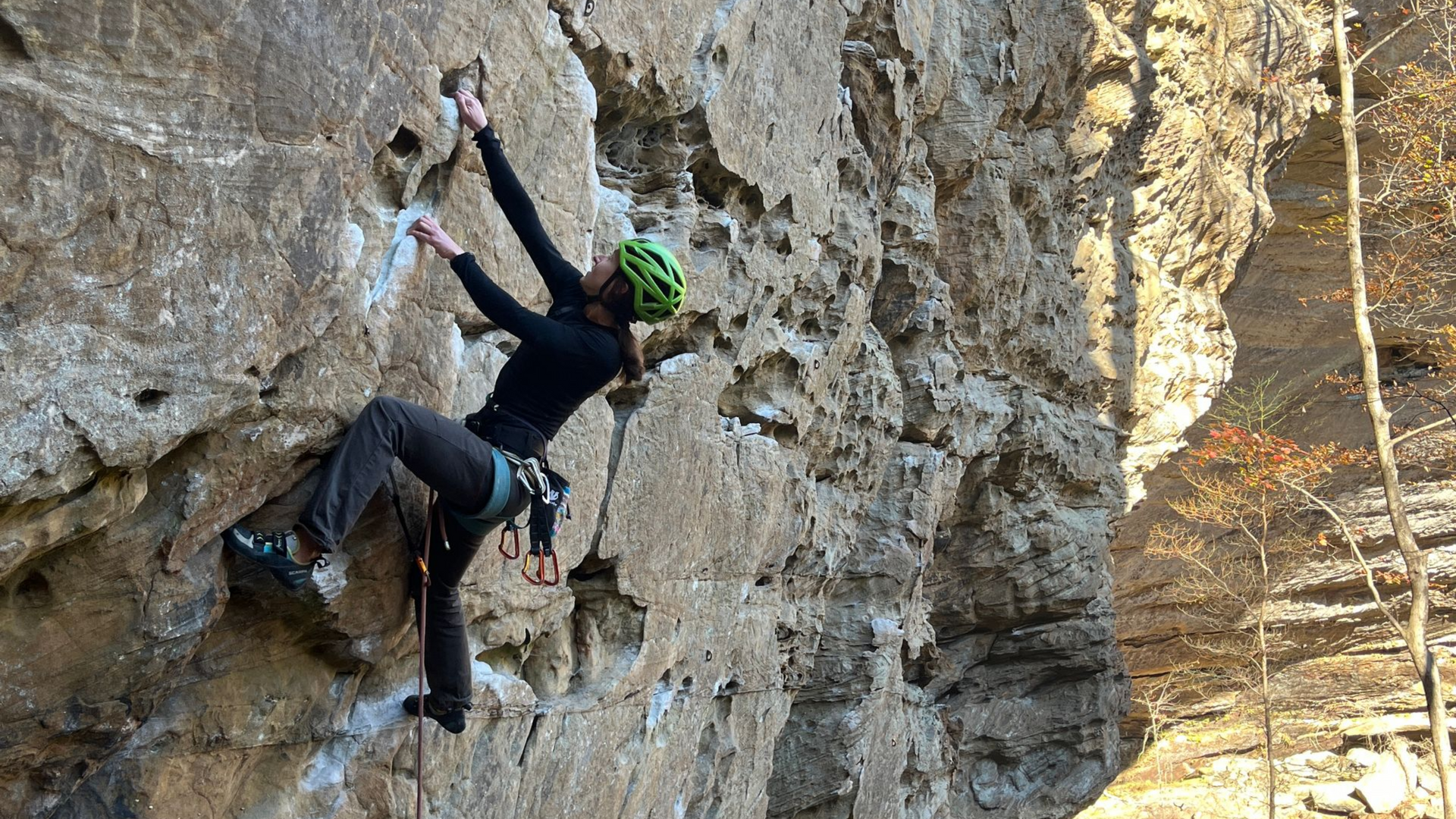
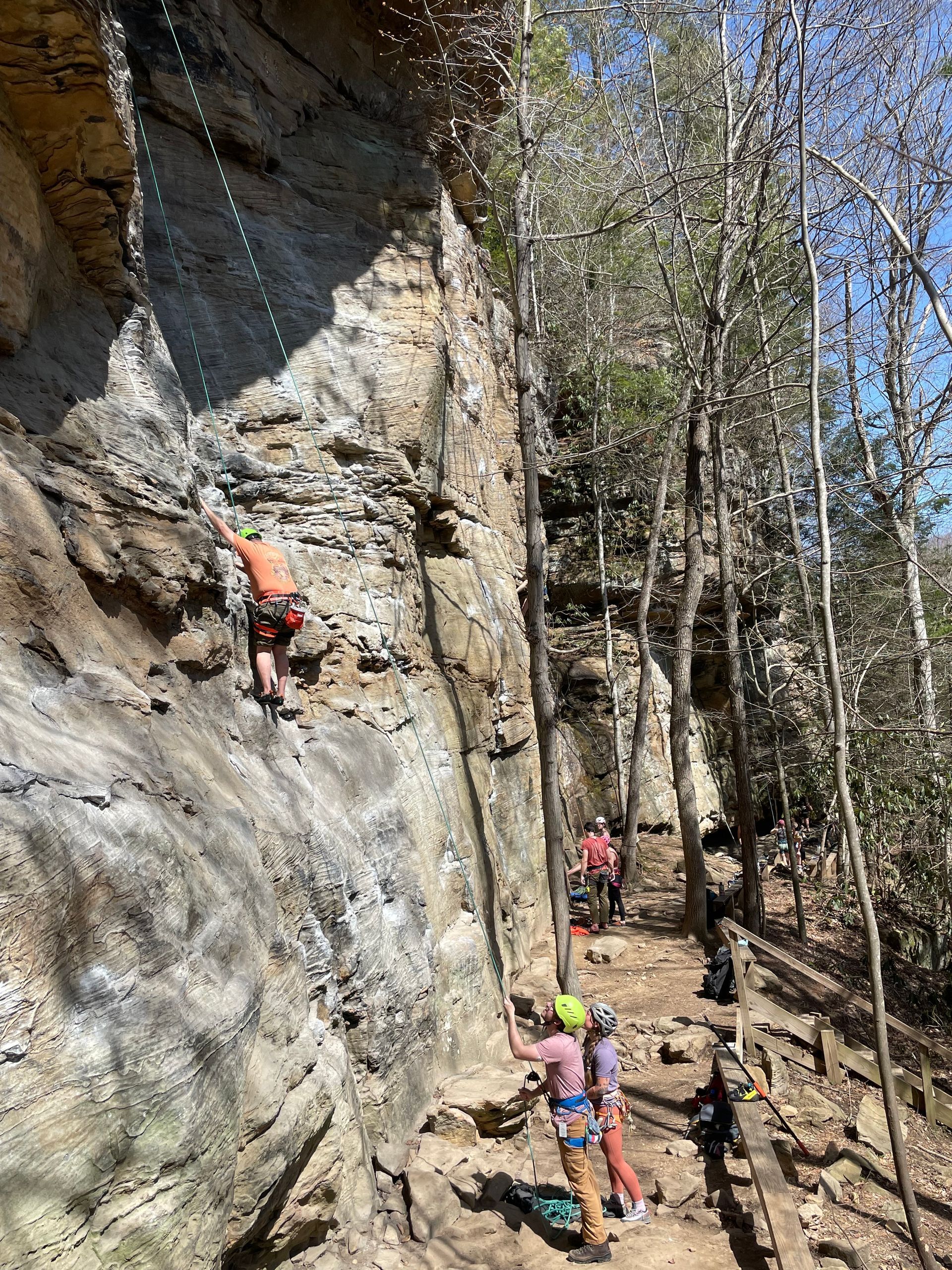
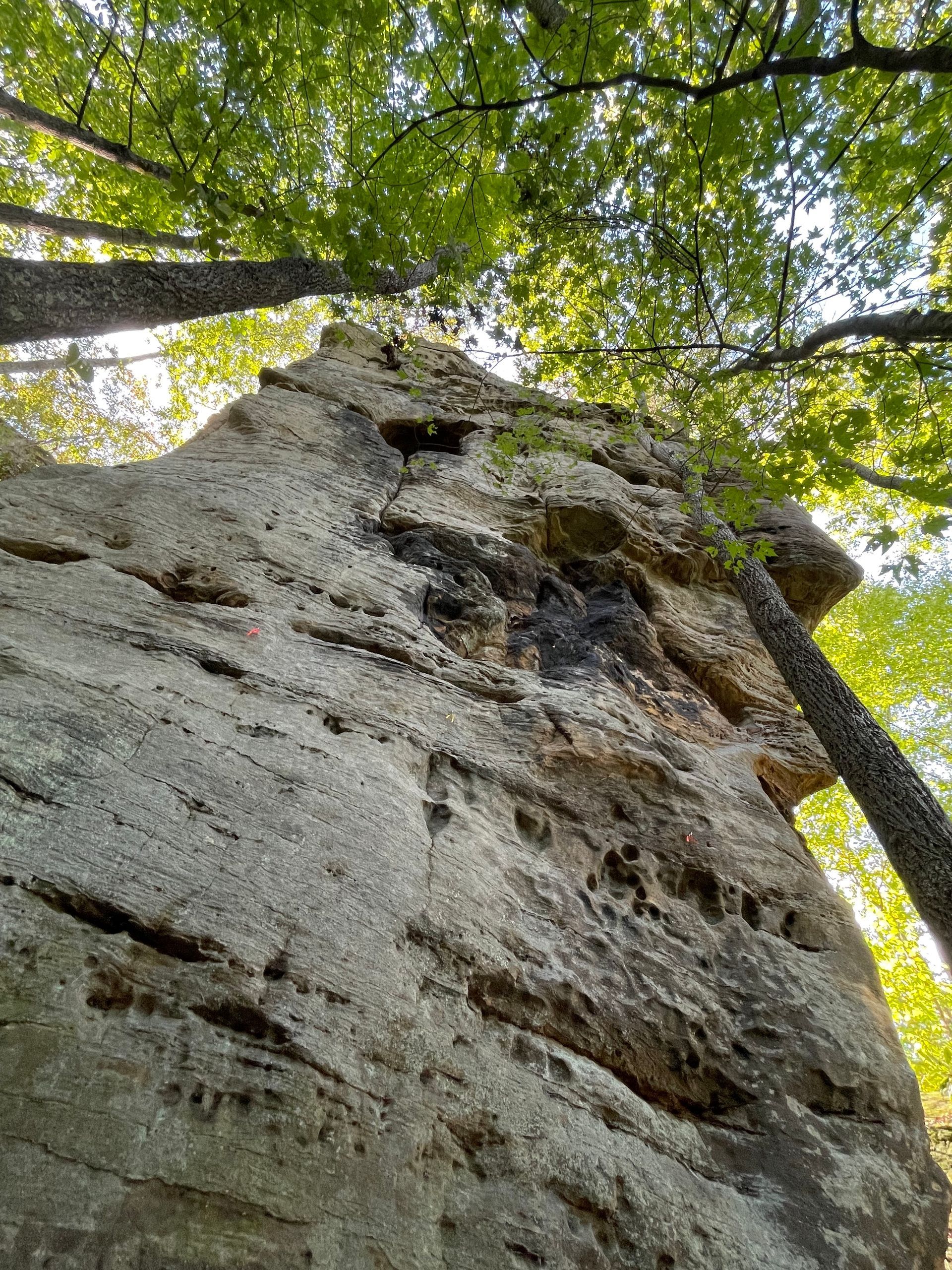
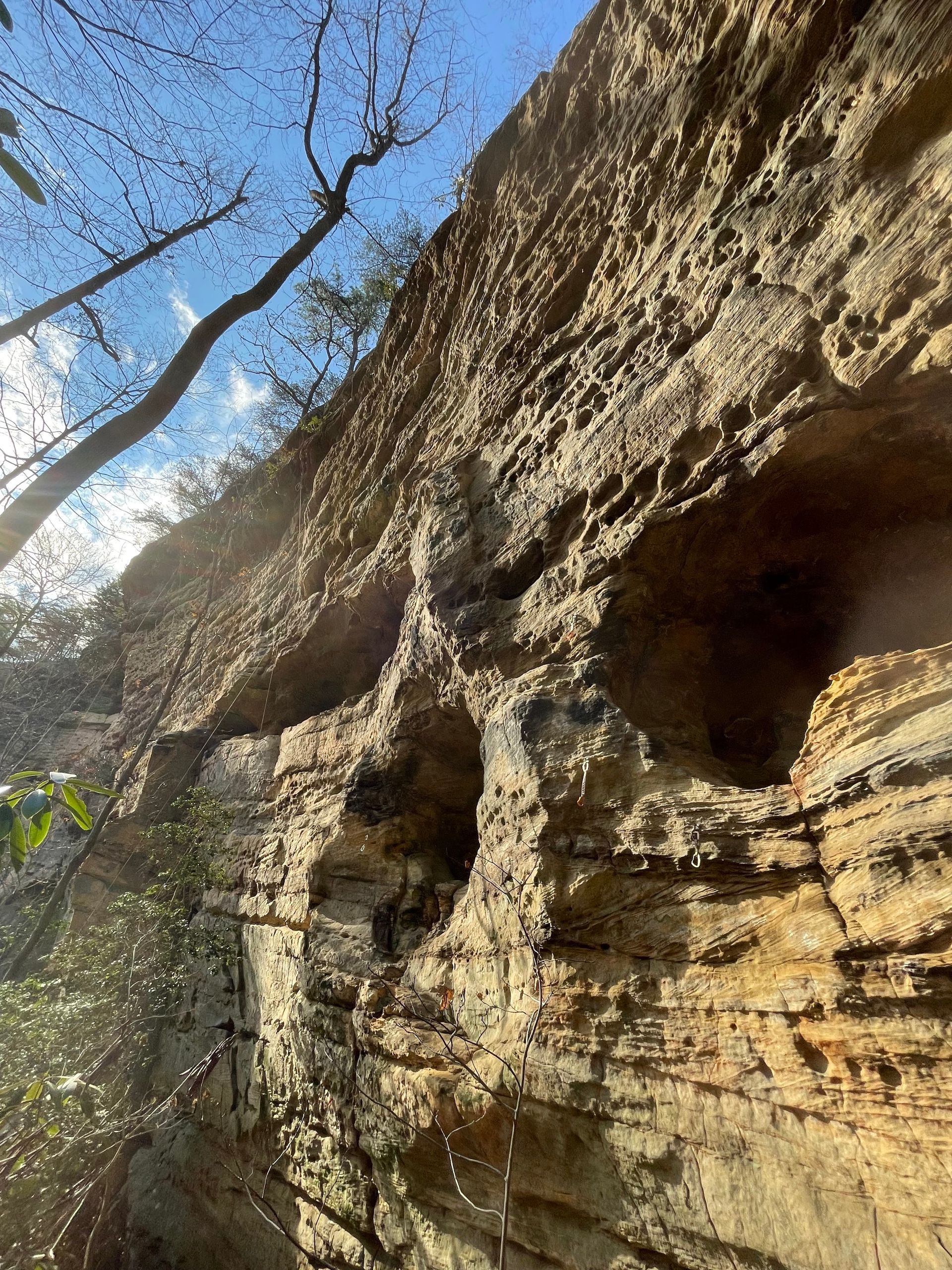
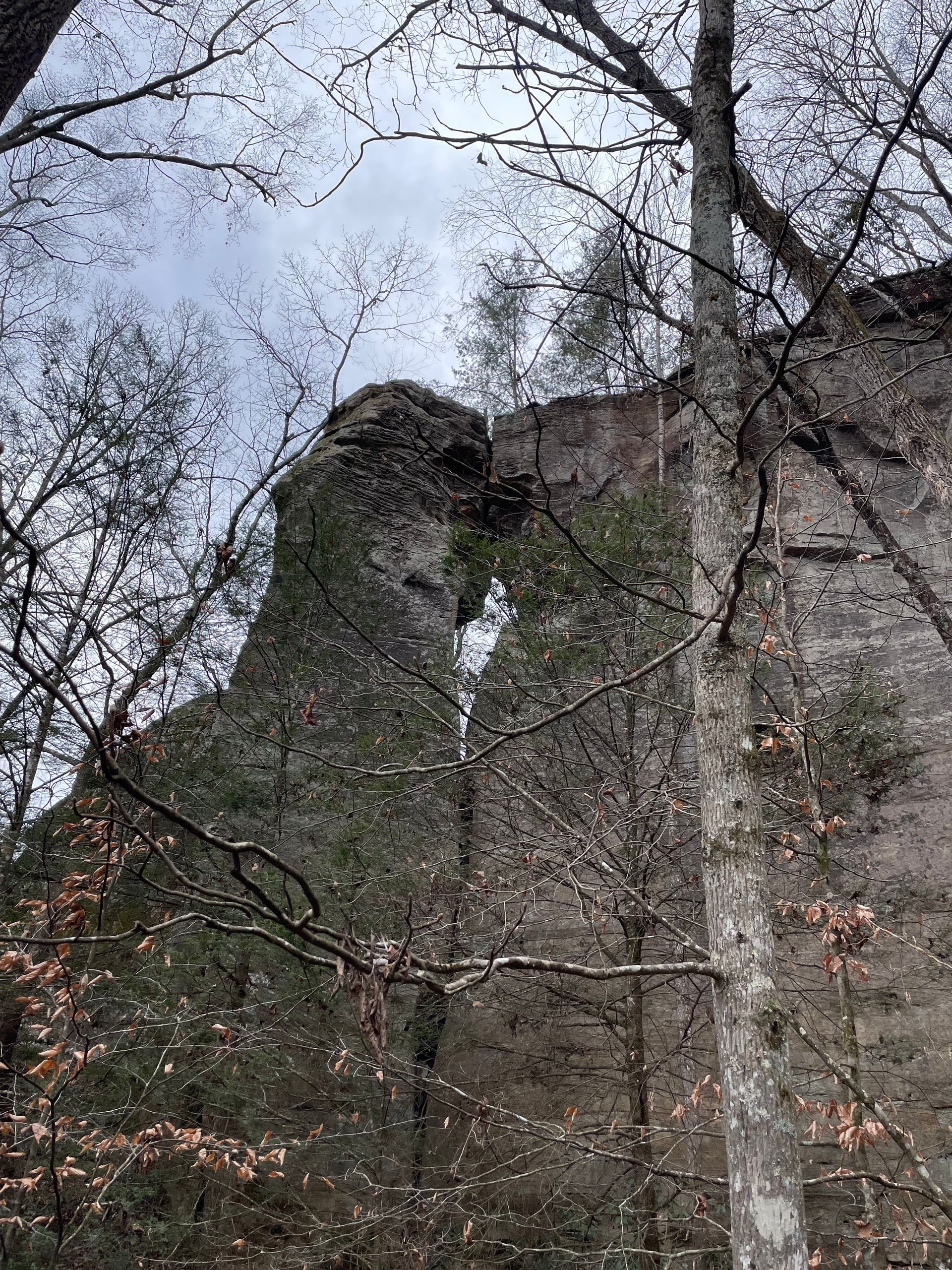
Cave Fork offers everything that makes the Red River Gorge such a world-class destination—from long, overhanging pump-fests to vertical and highly technical testpieces, plus a growing catalog of quality trad routes. Many of these climbs are set on stunning rock formations in beautiful, wild settings.
The most well-known crag so far is The Venue, an improbably tall and steep amphitheater often regarded as some of the best climbing in the country. That said, it’s far from the only place where hard climbers can test themselves. Alongside classic RRG-style crags, there’s also a huge selection of beginner to moderate terrain. Climbers of all experience levels will find plenty to love—and some crags are even conveniently close to the parking areas.
Stewardship & Access
How do you balance new route development with conservation and land stewardship?
The RRGCC does an incredible job providing guidance to developers around stewardship and Leave No Trace principles. They even have a dedicated committee focused entirely on these efforts, with several local developers actively involved.
As volunteer developers, we stay in close communication with the RRGCC on all stewardship-related matters. Much of that work centers around trail building and crag infrastructure to ensure climbers have minimal impact on the sensitive terrain surrounding the cliffs. All of this is thoughtfully implemented before any crags are officially opened and published.
Are there any important access considerations climbers should know before visiting?
As with all RRGCC-owned lands, climbers should park only in designated parking areas and use established trail systems. Many crags at Cave Fork are still under development and remain closed—please don’t try to seek them out if you’re just coming to climb.
Always respect red-tagged routes, as they may be unfinished or unsafe. Ignoring these rules could seriously jeopardize access and compromise future land acquisitions.
Community Impact
What opportunities does Cave Fork create for climbers and the surrounding community?
For climbers, Cave Fork adds even more depth to the already vast climbing available in the Gorge. This should help disperse crowds during peak seasons and take pressure off some of the most heavily trafficked crags.
For the surrounding community, Cave Fork will almost certainly draw increased tourism, creating more opportunities for local businesses and property owners.
How can climbers support ongoing development and conservation efforts?
Donations to the RRGCC go a long way toward building trails, parking areas, and acquiring additional land. Climbers can also support the Fixed Gear Initiative, a nonprofit subsidiary of the RRGCC that provides essential hardware to developers at subsidized rates.
Finally, volunteering at local trail days—many of which will focus on Cave Fork for the foreseeable future—is an incredible way to give back. Keep an eye on the RRGCC’s website and social media for the latest opportunities.
Looking Ahead
What’s next for Cave Fork, and what excites you most about its future?
Cave Fork has just unveiled its first group of open crags, and I’m very excited to see many more open as we move into 2026. An incredible community of developers—myself included—has invested countless hours, personal resources, and a lot of blood, sweat, and battles with bugs and thick vegetation.
We’re beyond excited to see this work create lifelong memories for generations of climbers to come.
Final Thoughts
Is there anything you’d like climbers to know before visiting for the first time?
Stay safe, try hard, and have fun out there—this is only the beginning. Some of the new climbing may be a bit rough around the edges, which is inevitable with newly developed sandstone. Please climb cautiously, and feel free to share feedback on Mountain Project. We genuinely appreciate all of it, good or bad.
And please—wear a helmet. Choss is always a factor.